
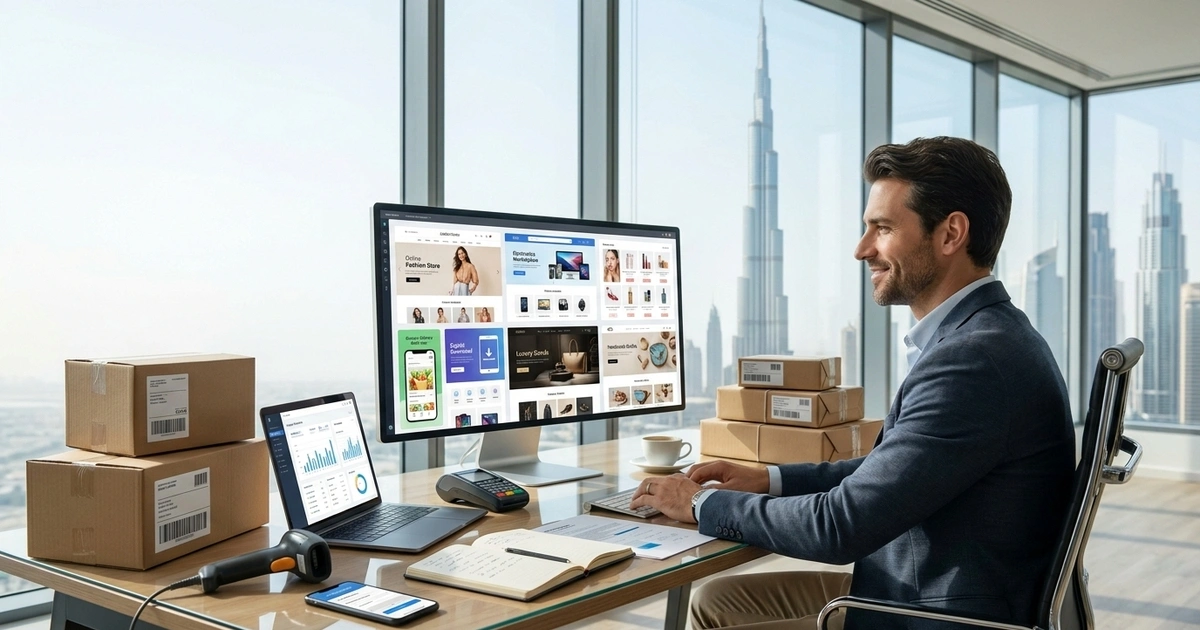
Top 7 E-commerce Business Ideas in Dubai 2026
Dubai’s online shopping numbers keep climbing every year, and 2026 is no different. More residents are buying groceries, electronics, and everyday essentials from their phones than ever before, and the businesses keeping up are the ones treating their online store as the main channel, not a backup plan.
That shift changes what it takes to succeed here. A basic storefront isn’t enough anymore. Buyers expect fast checkout, real product detail, and a site that works as well on mobile as it does on desktop. This is where thoughtful service providers offering ecommerce website design Dubai start to matter, because the idea only goes as far as the experience built around it. With that in mind, here are seven business ideas worth considering this year and what it actually takes to build each one properly.
Why Dubai’s E-commerce Race Still Has Room for New Players
Dubai’s online retail market has been growing steadily year over year, and most of that growth isn’t coming from a handful of giants. It’s spread across smaller, focused stores that have found the right niche. Mobile is where most of that buying happens now, with the majority of transactions completed on phones rather than desktops. Buy-now-pay-later options and same-day or next-hour delivery have also become standard expectations rather than nice extras, which changes what a new seller needs to offer from day one.
None of this means the market is saturated. It means the bar for entry has shifted from “having a store” to having one that’s built properly from the start. That’s why solid ecommerce website development Dubai foundations, fast loading, mobile-first design, and working payment integrations matter more now than they did even two years ago. The ideas below work because they fit directly into these buying habits, not around them.
7 E-Commerce Business Ideas Worth Building in Dubai Right Now
Not every idea works the same way here. Buyer habits, delivery expectations, and spending patterns in Dubai favor a few specific categories over others, so here’s where the real demand is right now.
1. Luxury Pre-Owned Goods
Resale platforms for watches, designer bags, and pre-loved fashion are gaining ground fast in Dubai, where buyers already spend heavily on luxury but are now comfortable buying second-hand if authenticity is guaranteed. That guarantee is the whole business.
What buyers actually check before paying:
- Verification badges or third-party authentication proof
- Detailed condition reports with close-up images
- Secure, traceable payment flows for high-ticket items
This is usually where founders bring in an ecommerce development company Dubai sellers rely on to build these trust features directly into the platform rather than bolting them on later.
2. Private-Label Beauty and Grooming
Organic skincare, halal-certified cosmetics, and men’s grooming products are selling well across the UAE right now, driven by a market that reads ingredient labels and cares about certification. This category depends heavily on how the product looks online, since customers are judging quality from images alone. Clean product photography, zoomable detail shots, and simple category filters make or break conversion here, which is exactly why brands invest early in proper ecommerce website design Dubai teams that understand how to present beauty products, not just list them.
3. Niche Dropshipping
Dropshipping still works in Dubai, but the founders doing well have narrowed down to one tight category, think ergonomic home office gear or compact smart gadgets, rather than a broad general store. Margins are thinner here, so speed matters: getting supplier stock feeds synced correctly and checkout running without friction from day one. Most people building this model turn to a Shopify web development company early on, since getting product syncing and inventory automation right from the start saves a lot of manual cleanup later.
4. Custom Corporate Gifting
Dubai’s corporate calendar is packed with events, onboarding, and client appreciation moments, which keep demand for personalized gifting steady year-round. This is largely a B2B model, meaning your store needs to work differently from a regular retail checkout.
What a B2B gifting store actually needs
Instead of a standard product-and-cart setup, this model runs on bulk order forms, custom branding requests, tiered pricing for repeat accounts, and quote-based checkout for larger orders. Getting that structure right usually calls for ecommerce web design and development services built specifically around account-based ordering, rather than a one-size storefront.
5. Health and Wellness Products
Collagen powders, wellness kits, and specialty supplements have strong repeat-purchase potential in the UAE, where interest in preventive health keeps growing. The real opportunity isn’t the first sale. It’s getting customers to reorder without having to think about it. Brands doing this well often work with an iOS app development company to build a simple reorder flow or subscription reminder, turning a one-time buyer into a recurring one.
6. Print-on-Demand Apparel
Custom streetwear, personalized beachwear, and locally-themed designs do well here thanks to Dubai’s mix of residents and tourists looking for something distinct. There’s no upfront manufacturing cost, since each order gets printed only after it’s placed, which keeps this one of the lower-risk models to start with. Success mostly comes down to design quality and consistent posting, not heavy tech investment, making it a good entry point if you’re testing the waters before scaling further.
7. Digital Products and Subscription Boxes
Online courses, curated subscription boxes, and recurring digital content are picking up pace as UAE consumers grow more comfortable with ongoing payments rather than one-off purchases. Managing renewals, cancellations, and timely reminders is where most of these businesses actually succeed or struggle. That’s typically handled through a Mobile App Development Agency, building push notifications and renewal flows that keep subscribers engaged instead of quietly churning out.
Mainland, Free Zone, or Fast-Track?
Picking a business idea is one decision. Picking where and how to register it is another, and it affects your ownership, costs, and how fast you can actually launch.
The three main routes look like this:
| Factor | Mainland | Free Zone | Fast-Track Free Zone |
| Ownership | Needs a local partner in some cases | 100% foreign ownership | 100% foreign ownership |
| Setup speed | Days to a few weeks | 2–5 days | Under an hour, fully digital |
| Paperwork | Mostly manual | Mostly digital | Fully digital, no physical visits |
| Visa support | Available, self-managed | Limited, often external | Full assistance included |
| Cost clarity | Often unclear upfront | Varies by zone | Transparent, calculator-based |
Free zones remain the most practical choice for most online sellers, since they combine full ownership with lower setup friction. Whichever route you pick, this is also the stage where a lot of founders bring in proper ecommerce website development Dubai support early, so the store, payment gateway, and licensing line up together instead of being fixed separately after launch.
A Few Realistic Tips Before You Launch
A good idea still needs the basics done right. A few things worth planning for early:
Go deep before you go wide
Pick one product category and get it right first. Stores that try covering five categories at once usually end up doing none of them well.
Budget for delivery outside Dubai and Abu Dhabi
Last-mile costs rise noticeably once orders head to the northern emirates, and delivery windows stretch longer there too. Factor that into your pricing early, not after your first bulk order.
Sort your payment gateway and BNPL approval before launch
Approval for card payments and buy-now-pay-later options can take time. Starting this process alongside your licensing, not after your store is built, saves weeks later on.
Common Questions Before You Start
Which e-commerce business is most profitable in Dubai right now?
Luxury resale and health and wellness products currently see the strongest repeat demand, since both categories benefit from high buyer trust and steady reorders rather than one-time sales.
Do I need a business license to sell online in Dubai?
Yes. Any online store, whether it’s dropshipping, private-label products, or digital subscriptions, needs a valid trade license, either through mainland or a free zone, before it can legally accept payments.
How much does it cost to start an e-commerce business in Dubai?
Costs vary by free zone and business activity, but most small online stores can launch with a modest starting budget, split between licensing, a basic platform setup, and initial marketing. For a detailed breakdown of platform and development costs specifically, see our complete 2026 ecommerce website cost guide.
Do I need a mobile app for my online store, or is a website enough?
A website covers most needs at launch. An app becomes worth building once you’re managing subscriptions or repeat orders, which is why brands scaling wellness or gifting models often bring in an iOS app development company once that demand shows up.
What’s the easiest e-commerce business to start with a small budget?
Print-on-demand and niche dropshipping need the least upfront capital, since neither requires holding inventory. Even so, getting the store structure right from day one, through proper ecommerce web design and development services, saves you from costly rebuilds later.
Final Thoughts
None of these seven ideas guarantees success on its own. What separates the ones that work from the ones that quietly fold is how early the basics get sorted, licensing, platform choice, and delivery expectations, before the first sale ever happens.
Dubai’s market rewards founders who treat the setup stage as seriously as the product idea itself. Pick the model that fits your budget and pace, build it properly from the start, and let the numbers guide your next move from there.
Once you’ve picked the idea that fits, here’s the complete guide to turning it into a profitable Dubai store.

Olivia Taylor is an eCommerce strategist, writer, and enthusiast for digital growth who works in Dubai. She adds meaning to the chaos with her nearly ten years of experience working in the UAE’s booming online economy. At EcommerceDubai.ae Olivia provides informative, straightforward content on how to sell more effectively, expand more quickly, and succeed in the most dynamic digital market in the Middle East. Her work helps companies of all sizes succeed online with everything from beginner tips to sophisticated marketplace strategies. Olivia Taylor promises to use straightforward language, genuine experience, and no guessing.